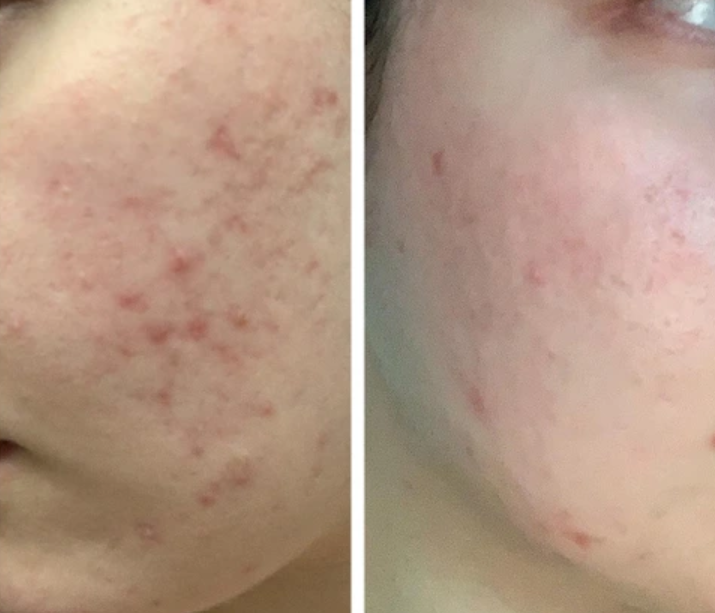
How Tea Tree Is Nature’s Acne Fighter

If you have ever woken up before an important event only to find a painful breakout staring back at you from the mirror then you know how frustrating acne can be.
For many people acne is more than a skincare concern. It affects confidence. It changes how they feel in social situations. Sometimes it even influences what they wear or how often they post photos online.
I still remember a friend who struggled with recurring acne throughout her early twenties. She tried countless home remedies and trendy products. Some worked for a week. Others made things worse. What she wanted was something that felt effective without being harsh on her skin.
That search eventually led her to tea tree.
For years tea tree has been one of the most trusted natural ingredients for blemish-prone skin. It has earned a loyal following because it helps address breakouts while being gentler than many aggressive acne treatments.
A crucial component of contemporary k is still tea tree. It can be a potent ally in the battle against acne when paired with supportive ingredients and a regular regimen.
Why Acne Happens in the First Place

Before understanding why tea tree works it helps to know what causes acne.
Acne develops when pores become clogged with excess oil dead skin cells and bacteria. Once the pore is blocked inflammation can occur which leads to whiteheads blackheads and painful pimples.
Several factors can contribute to acne including: The overproduction of oil. The changes in hormones. Stress. Genetics. The pollution of the environment. inadequate skin care procedures. Because acne has multiple triggers treating it usually requires a balanced approach rather than a quick fix.
Also Read: Skincare Routine for Teenagers in Pakistan: Dealing with First Breakouts Without Panic
What Makes Tea Tree Special?

The Australian native tea tree plants leaves are the source of tea tree oil.
For generations it has been used for its cleansing and soothing properties. Modern skincare brands value tea tree because it helps target some of the key factors associated with acne-prone skin.
What makes tea tree particularly appealing is that it works without feeling overly aggressive.
Many traditional acne products focus on stripping away oil completely. While this may seem helpful at first it can leave skin feeling dry irritated and uncomfortable.
Tea tree takes a more balanced approach.
It helps purify the skin while supporting a healthier complexion.
A Real-Life Story
Sana a university student talked about her final-year acne experience. Due to sleep deprivation and exam deadlines her skin started to break out more frequently than usual. During presentations she felt self-conscious and frequently applied a lot of makeup to cover her skin.
One day she decided to simplify her routine and focus on ingredients known for acne care. Tea tree became one of the key additions.
Instead of using multiple harsh products she adopted a consistent routine featuring tea tree-based skincare. She saw less redness and fewer angry outbursts over time. Her skin felt calmer which was the most noticeable thing. Her story emphasizes a crucial lesson. Frequently consistency is more important than frequently changing products.
Building an Effective Tea Tree Routine

The best results come from using tea tree as part of a comprehensive skincare regimen. This is the role of The Needs Tea Tree Collection.
Each product is designed to support acne-prone skin while maintaining comfort and hydration.
Start with The Needs Tea Tree Cleanser
Every good routine begins with cleansing.
The Needs Tea Tree Cleanser with Tea Tree Leaf Oil Extract + Lauric Acid + Glycolic Acid helps remove dirt excess oil and daily impurities from the skin.
After a long day outdoors, your skin collects sweat pollution and oil. Leaving these impurities behind can contribute to clogged pores.
A gentle yet effective cleanser helps create a clean foundation for the rest of your skincare routine.
Many users appreciate that this cleanser leaves skin feeling refreshed without that uncomfortable tight feeling often associated with acne cleansers.
Also Read: Why Adult Acne Happens in Your 20s and 30s
Follow with The Needs Tea Tree Toner

After cleansing skin benefits from an extra layer of care.
The Needs Tea Tree Toner with Witch Hazel and Tea Tree Leaf Extract helps refresh the skin while supporting a clearer-looking complexion. Toners are sometimes overlooked but they can play an important role in balancing the skin after cleansing.
This step helps prepare the skin for the products that follow. Target Blemishes with The Needs Tea Tree Anti Acne Serum When dealing with breakouts targeted treatments become especially valuable.
The Needs Tea Tree Anti Acne Serum with Niacinamide + Salicylic Acid combines ingredients that are widely loved in acne-focused skincare.
Niacinamide helps improve the appearance of uneven skin tone while salicylic acid works to keep pores clearer. Together with tea tree these ingredients create a powerful combination for blemish-prone skin.
Many people find that adding a dedicated serum helps elevate the effectiveness of their routine.
Never Skip Hydration

One of the biggest misconceptions about acne-prone skin is that moisturizers should be avoided. In reality dehydrated skin can become stressed and may produce even more oil.
That is why hydration remains important.
The Needs Tea Tree Soothe Cream with Cantele Asiatica Extract is a hydro-soothing moisturizer designed to provide comfort without feeling heavy. Centella Asiatica is known for its calming properties which makes it a great companion to tea tree.
When skin feels balanced it often appears healthier overall.
Also Read: How to Prevent Fungal Acne During Monsoon
Why Tea Tree Remains a Skincare Favorite

Skincare trends change constantly.
One month everyone is talking about a new ingredient. The next month a different trend takes over social media.Tea tree has managed to stay relevant for decades because people continue seeing results.
Its popularity is not built on hype alone.People return to tea tree because it helps address common concerns associated with acne-prone skin while fitting easily into daily routines.
The Emotional Side of Clearer Skin

Acne conversations often focus on physical symptoms but there is also an emotional side.
Many people remember the feeling of cancelling plans because of a breakout. Others remember avoiding photographs or feeling uncomfortable meeting new people.
Clearer skin does not solve every problem in life.
What it often does provide is confidence.When your skin feels healthier you spend less time worrying about it and more time enjoying the moments that matter.
That confidence can be incredibly valuable.
Final Words
Tea tree has earned its reputation as one of nature's most trusted acne fighters.
It is a favorite among both skincare enthusiasts and novices due to its ability to support clearer-looking skin while still being accessible for daily use.
When paired with a thoughtful routine featuring The Needs Tea Tree Cleanser, The Needs Tea Tree Toner, The Needs Tea Tree Anti Acne Serum, and The Needs Tea Tree Calming Cream, tea tree becomes part of a complete approach to skincare rather than a single solution.
Acne rarely disappears overnight.
But with patience consistency and the right products your skin can move toward a healthier and more balanced future.Sometimes the journey to clearer skin starts with one simple ingredient that has been trusted for generations.
Tea tree, an ingredient that you can trust blindly.
Also Read: How to Get Rid of Acne Scars in Pakistan Without Losing Your Mind
FAQs
1. What is tea tree oil and why is it used for acne?
Tea tree oil comes from a plant called Melaleuca alternifolia. People use it for acne because it fights the bacteria that cause pimples and helps calm swelling.
2. Can tea tree help reduce the appearance of pimples?
It can. Pimples often look less red and less swollen after regular use, and it may keep new ones from popping up as often.
3. Is tea tree suitable for oily skin?
Yes, it's actually a solid match for oily skin. It cuts down extra oil and clears out pores without leaving your skin feeling stripped.
4. How often should I use tea tree skincare products?
Check the label on your specific product, since this varies. Most tea tree formulas need steady, regular use to actually work.
5. Can tea tree be used with niacinamide?
Yes, and they pair up nicely. Niacinamide takes the edge off if tea tree feels a bit strong for your skin on its own.
6. Does tea tree help with acne-related redness?
It does help calm redness around pimples, though don't expect it to disappear overnight. Give it a few weeks and you'll likely see the difference.
7. Is moisturizer necessary for acne-prone skin?
Yes, even if your skin is oily or breakout-prone, skip it and your skin may just make more oil to compensate. That usually leads to more breakouts, not fewer.
8. Can tea tree products be used every day?
Some can, some can't. Gentler tea tree products are fine daily, but stronger ones often need a rest day in between.
9. How long does it take to see results from a tea tree skincare routine?
This depends on the person. Skin takes time to heal, so give it a few weeks before deciding if it's working.
10. Which The Needs tea tree products should be used together for the best results?
Try the Tea Tree Cleanser, Tea Tree Toner, and Tea Tree Anti-Acne Serum as a set. Used together, they clean, balance, and treat acne-prone skin.