How to Prevent Fungal Acne During Monsoon

The monsoon season has a charm that is hard to resist. The smell of rain on dry roads. The cool breeze drifting through open windows. The comfort of slowing down for a moment while the world outside gets washed clean.
Yet for many people the rainy season brings a less pleasant experience. Just when the weather starts feeling better, the skin begins acting up.
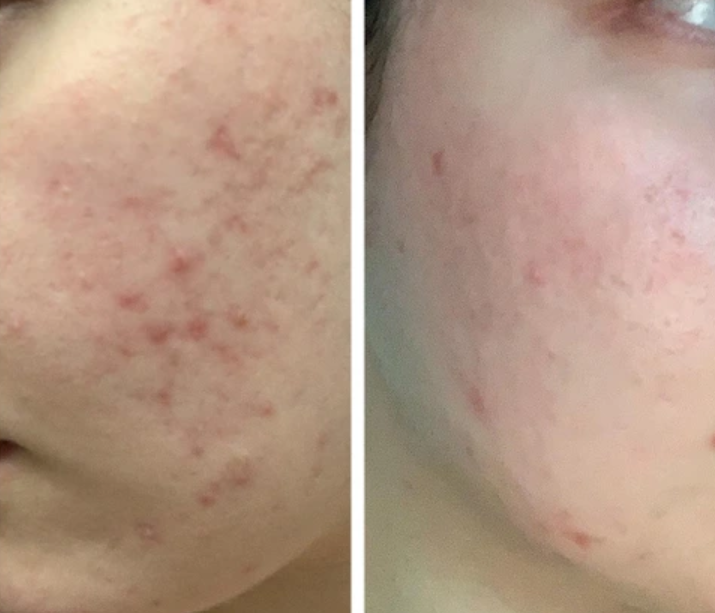
Tiny bumps appear across the forehead. Clusters of stubborn spots show up around the cheeks and jawline. No matter how carefully you wash your face, they seem to stay exactly where they are. Many people assume these breakouts are regular acne. Sometimes they are not.
In humid weather fungal acne becomes increasingly common. It can leave skin looking rough, irritated, and uneven. The frustrating part is that traditional acne treatments often fail to improve it. Understanding how fungal acne develops and how to prevent it can make a huge difference during the rainy season.
What Is Fungal Acne?

Despite its name, fungal acne is not actually acne.
It is a skin condition caused by an overgrowth of yeast that naturally exists on the skin. This yeast thrives in warm, humid environments, which makes monsoon weather an ideal breeding ground.
Fungal acne usually appears as small uniform bumps that may itch or feel irritated. Unlike traditional acne, it often shows up in clusters and tends to appear on the forehead, chest, shoulders, and upper back. Many people spend months treating it as regular acne before realizing the real cause.
Why Monsoon Makes It Worse

Humidity changes the environment around your skin.
Sweat stays on the surface longer. Oil production often increases. Clothing remains damp after getting caught in the rain. Even hair can stay moist for extended periods.
All of these factors create conditions that encourage fungal growth.
I remember a friend who would experience mysterious breakouts every monsoon. She changed cleansers, tried different creams, and avoided makeup completely. Nothing worked. Eventually a dermatologist identified fungal acne as the culprit. Once she adjusted a few habits, the problem improved dramatically.
That experience highlights an important truth. Prevention often works better than treatment.
Keep Your Skin Clean Without Overwashing

When skin feels oily, it can be tempting to wash your face repeatedly throughout the day.
Unfortunately, overwashing may irritate the skin and weaken its natural barrier. This can create additional problems instead of solving them. Use a gentle cleanser twice daily to remove sweat oil and impurities. Focus on consistency rather than excessive cleansing.
Healthy skin needs balance.
Change Out of Damp Clothes Quickly

One of the easiest ways to reduce fungal acne risk is to avoid staying in wet clothing.
After getting caught in the rain many people continue wearing damp shirts or workout clothes for hours. Unfortunately, moisture trapped against the skin creates an ideal environment for fungal growth.
Whenever possible, change into dry clothing as soon as you can. This simple habit can make a noticeable difference during monsoon.
Choose Lightweight Skincare Products

Heavy products may feel comforting during winter, but they can become problematic in humid weather. Rich creams and thick oils sometimes create conditions that allow fungal acne to flourish.
Instead choose lightweight moisturizers and non-greasy skincare products like The Needs Hyaluronic Acid serum, Retinol serum, Nicotinamide Serum, and Sunblock Cream during monsoon. Products that absorb easily help the skin stay comfortable without feeling congested.
Your skin should feel hydrated, not suffocated.
Also Read: Which Hydrator Wins for Sensitive Skin?
Keep Hair Away from Your Face

Hair plays a bigger role in skin health than many people realize.
During monsoon, hair often becomes oily more quickly. When strands constantly touch the forehead, they can transfer oil, sweat, and product residue onto the skin.
If you notice bumps around your hairline, try keeping your hair tied back whenever possible. Regular hair washing may also help reduce buildup that contributes to skin irritation.
Shower After Sweating

Humidity often makes people sweat even when temperatures are relatively mild. Whether you have exercised, walked outdoors, or spent time commuting, it is a good idea to shower afterward.
Allowing sweat to remain on the skin for extended periods can contribute to fungal overgrowth.
A quick shower helps remove excess oil, sweat, and environmental pollutants before they become problematic.
Choose Comfortable Clothing That Lets Your Skin Breathe

What you wear can have a bigger impact on your skin than you might think during the rainy season. In tight clothes, sweat sticks inside clothes for a longer time, which may result in itching and fungal acne. This creates a warm environment that can make skin concerns more difficult to manage.
Areas like the chest, shoulders, and upper back are often affected because they stay covered for most of the day. Opting for light breathable fabrics can help improve airflow and keep your skin feeling fresher and more comfortable even on humid monsoon days.
Don't Ignore Your Pillowcases

Many skincare discussions focus on cleansers and moisturizers while forgetting everyday items that come into contact with the skin. Pillowcases collect sweat, oil, hair products, and dead skin cells over time.
During monsoons these factors become even more significant because increased humidity encourages microbial growth. If you want healthier skin, then you must change your pillowcases twice or thrice a week.
Don't Overlook the Impact of Stress

While stress is not considered a direct cause of fungal acne, it can affect your skin in ways that make existing concerns feel more noticeable.
Many people find that their skin becomes more reactive during busy or emotionally demanding periods. Small bumps may seem harder to manage, and irritation can become more apparent.
Making time for simple things that help you unwind can be surprisingly beneficial. A quiet evening walk, a good book, a few minutes of journaling, or quality time with family and friends can help you feel more balanced.
When you take care of yourself overall, your skin often reflects that positive change as well.
Case Study: How One Student Reduced Monsoon Breakouts

Ahmed, a college student, noticed the same problem returning every monsoon. Small bumps would appear across his forehead and refuse to go away.
Like many people, he assumed he was dealing with regular acne and tried several acne products to clear his skin. Irritating and itchy bumps that give constant itching. Although he took advice from professionals, then he realized it was stubborn fungal acne that was making the condition worse by the passage of time. After all the scenarios, he started taking precautions. He switched to lightweight skincare products and started washing his pillowcases more frequently.
Within a few weeks his skin looked noticeably clearer. The small bumps gradually reduced, and his confidence improved as well. His experience shows that sometimes, just by making some simple lifestyle changes, you can see big results.
Signs It May Be Time to Get Professional Help

In many cases simple skin care and lifestyle changes can help keep fungal acne under control. But if the bumps don’t improve or seem to be getting worse over time, it may be worth checking in with a dermatologist.
A skin specialist can determine the actual cause of the problem and point you in the direction of the most appropriate treatment. That's how you can save your time and money by not wasting it on wrong products.
Getting the right diagnosis early often makes the journey to clearer skin much easier and less frustrating.
Also Read: When to See a Dermatologist vs. Using OTC Products in Pakistan
Final Thoughts
The rainy season can be particularly challenging for your skin. With higher humidity levels and constant exposure to sweat and moisture, the skin often becomes a more favorable environment for fungal acne to appear and thrive.
The good news is that prevention is often straightforward.
Maintaining good skin hygiene, getting out of wet or sweaty clothes quickly, and switching to lighter skincare products can really help lower the chances of flare-ups. Small daily habits like these make a noticeable difference over time.
The rainy season should be a time to enjoy cooler weather and peaceful moments, not a time spent worrying about stubborn skin concerns.
A little extra attention now can help your skin stay clearer, healthier, and more comfortable throughout the monsoon months.
FAQs
Q: What is fungal acne?
A: Fungal acne is not really acne. It happens when yeast that naturally lives on your skin grows too much and causes small, itchy bumps. It often looks like tiny pimples that are all the same size and close together.
Q: How is fungal acne different from regular acne?
A: Regular acne is caused by bacteria, oil, and clogged pores, and the bumps are usually different sizes with whiteheads or blackheads. Fungal acne is caused by yeast overgrowth and shows up as small, uniform, itchy bumps that often appear in clusters.
Q: Why does fungal acne become worse during monsoon?
A: Monsoon brings high humidity and moisture in the air. Yeast grows faster in warm and damp conditions, so your skin becomes a perfect place for it to multiply during this season.
Q: Can sweating cause fungal acne?
A: Yes, sweating can trigger it. When sweat stays on your skin for too long, it creates a warm and moist environment. This is exactly what yeast needs to grow and cause fungal acne.
Q: Is fungal acne contagious?
A: No, fungal acne is not contagious. It happens because of yeast that is already present on your own skin, not from contact with another person.
Q: Which areas of the body are most affected by fungal acne?
A: It mostly appears on the chest, back, shoulders, and sometimes the forehead and hairline. These areas tend to sweat more and trap oil, which makes them more prone to fungal acne.
Q: Can heavy moisturizers worsen fungal acne?
A: Yes, heavy and oily moisturizers can make it worse. They trap moisture on the skin and create a thick layer where yeast can grow easily. Lighter, oil-free products are a better choice if you have fungal acne.
Q: How often should I wash my face during monsoon?
A: Washing your face twice a day is enough. Washing more than that can remove natural oils and irritate your skin, which can actually make problems worse instead of better.
Q: When should I see a dermatologist for fungal acne?
A: If the bumps do not improve after using over-the-counter treatments for a couple of weeks, or if they spread, become very itchy, or keep coming back, it is best to see a dermatologist.
Q: Can fungal acne be prevented completely?
A: It cannot be prevented completely, but you can lower your chances. Keep your skin clean and dry, change out of sweaty clothes quickly, use light skincare products, and avoid sharing towels or clothes with others.