Hormonal Acne in Pakistani Women: Causes, Treatments, and Prevention

For many Pakistani women, acne does not politely disappear after teenage years. Instead, it shows up later, often when life is already busy and demanding. It creeps in quietly, settles around the jawline and chin, and becomes a regular visitor before periods. Just when the skin starts to look calm, another flare appears.
What makes it exhausting is the effort involved. Clean eating, careful face washing, and money spent on creams that promise results. Still, the mirror tells a different story. At some point, it becomes clear that this condition is not about poor hygiene or a lazy routine.
Usually, it is hormonal.
Hormonal acne is the body’s way of speaking through the skin. Until the message is understood, no product feels like the right one.
What Hormonal Acne Really Is

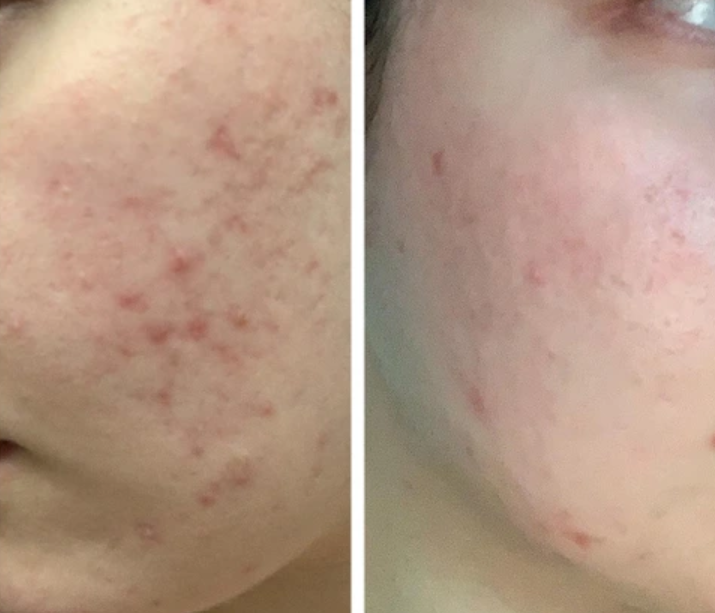
Hormonal acne is tied to changes in hormones, especially androgens. When these hormones rise or lose balance, oil glands become overactive. The skin produces more oil than it needs, pores clog more easily, and deep breakouts begin to form.
These are not the quick pimples that disappear in a few days. They sit under the skin, feel sore, and take their time healing. On Pakistani skin tones, they often leave dark marks behind, which can stay for months if the skin stays irritated or exposed to the sun.
Many women notice this type of acne in their early twenties or later. It may begin after marriage, childbirth, weight changes, or a long period of stress. Some women never struggled with acne before, which makes the experience even more confusing.
Why It Feels Harder for Pakistani Women

Hormonal acne exists everywhere, but local habits and conditions make it harder to manage here.
Food plays a role. Diets heavy in refined flour, sugary tea, soft drinks, and fried snacks affect insulin levels. When insulin rises too often, androgen activity increases, and oil production follows.
Another major reason is stress. Long workdays, household pressure, emotional responsibilities, and poor sleep keep cortisol levels high. Over time, this disrupts hormonal balance and increases inflammation in the body. The skin reflects that imbalance.
Then there is the environment. Heat, humidity, dust, and pollution push oil production even further. When skin is already sensitive, breakouts become more frequent and stubborn.
PCOS adds another layer. Many women live for years with irregular periods, weight changes, hair fall, or facial hair without a clear diagnosis.
Pimples can be hidden but may appear again until we do not know the root cause.
Also Read: Healthy Skin Starts with pH Balance: A Practical Guide to Proper Skin pH Levels in Pakistan
Connection of PCOS and Acne

One of the most prevalent causes of persistent hormonal acne is PCOS. It frequently results in increased androgen levels and has an impact on hormone regulation.
Acne linked to PCOS behaves differently. It may stay active throughout the month or worsen sharply before periods. It usually concentrates along the jawline, chin, neck, and sometimes spreads to the cheeks.
Topical treatments alone rarely solve this kind of acne. Medical care matters, but skincare still has a role. The purpose of skincare here is not to punish the skin into submission. It is to calm inflammation, protect the skin barrier, and limit long-term pigmentation.
Many women damage their skin by using strong treatments for too long. The pimples dry out, but the marks deepen. With PCOS, slow and gentle care almost always works better.
Habits That Quietly Make Things Worse
Over cleansing is one of the most common mistakes. Washing the face repeatedly strips natural oils. The skin responds by producing even more oil, and the cycle continues. Scrubs and harsh exfoliation feel satisfying in the moment but cause long-term harm. They irritate active acne and spread bacteria, which delays healing and increases dark marks.
Skipping moisturizer is another problem. Dehydrated skin sends panic signals to oil glands. A light moisturizer actually helps bring oil production back into balance.
Constantly changing products also confuses the skin. Hormonal acne needs consistency. The skin needs time to adjust, settle, and repair.
A More Realistic Way to Treat Hormonal Acne

Hormonal acne improves slowly. It is dishonest of anyone to promise immediate results. Depending on the patient, medical treatment may include insulin management, hormone regulation, or supplements. Daily skincare also helps the skin by shielding its natural defenses and minimizing irritation. A sensible regimen emphasizes daily sun protection, consistent hydration, mild cleansing, and reducing inflammation.
Why Gentle Cleansing Matters
Cleansing sets the tone for everything that follows. Harsh cleansers create short-term dryness but long-term sensitivity. The aim is to clean the skin without making it feel tight or raw.
Washing the face twice a day is enough, even in humid weather. When the skin barrier stays intact, it reacts less and heals more easily.
This is where something like The Needs Gentle Cleanser with the goodness of papaya, cucumber, and avocado fits naturally. It removes sweat and pollution without leaving the skin uncomfortable. Over time, the skin feels calmer and more receptive to treatment.
Calming Inflammation Instead of Fighting It

Hormonal acne is inflammatory by nature. Redness, swelling, and tenderness are signs of that internal imbalance.
Drying treatments may shrink a pimple quickly, but they often leave the surrounding skin irritated. Long-term effectiveness is typically higher for ingredients that support the barrier and gently control oil.
One of these components is niacinamide. It helps regulate oil production and fortifies the skin's protective layer. When used regularly, The Needs Niacinamide Serum can improve texture and lessen recurrent breakouts without overwhelming sensitive skin.
Also Read: Dark Circles Under Eyes: Pakistani Remedies and Clinical Solutions That Work
Moisturizer Is Not the Enemy
Many Pakistani women avoid moisturizers, especially in summer. The fear of clogged pores is understandable but misplaced.
The right moisturizer supports balance. When skin is properly hydrated, oil production becomes steadier and inflammation settles.
The Needs Barrier Repair Moisturizer packed as soothe cream with the goodness of tea tree provides hydration without heaviness. It is particularly helpful for women using medical acne treatments that dry the skin and make it reactive.
The Role of Sun Protection
 Sun exposure is one of the main reasons acne marks linger. UV rays deepen pigmentation and slow healing.
Daily sunscreen use is essential, even for short outings. For acne-prone skin, texture matters as much as protection.
The Needs Sunscreen SPF 60++ offers strong protection without feeling greasy. Used daily, it helps marks fade faster and prevents new ones from becoming darker.
Small Lifestyle Shifts That Help
Skincare alone cannot carry the full weight.
Insulin levels can be stabilized by cutting sugar and refined carbohydrates. Over time, adding fiber, vegetables, and healthy fats promotes hormonal balance. Gentle movement improves circulation and lowers stress hormones. Even short walks count.
Sleep matters more than most people realize. Poor sleep disrupts cortisol levels and slows skin repair. A good sleeping cycle works as proper healing of acne as well as hormones .
Stress does not fade away in a single night, and expecting it to do so only adds more pressure. What helps is making small, repeatable changes that slowly lower the body’s stress response. Spending a few quiet minutes before bed, putting the phone aside earlier, and allowing the mind short breaks during the day gives the nervous system space to settle. Over time, these pauses reduce constant tension in the body, and the skin often responds with fewer and less intense flare-ups.
When Medical Advice Is Necessary

If acne is painful, persistent, or paired with irregular periods, unusual hair growth, or weight changes, medical evaluation matters. PCOS-related acne needs proper diagnosis.
Skincare supports treatment. It does not replace it. When both work together, results last longer.
With a closing thought, “Hormonal acne is not a personal failure; it is the body asking for balance.”
For Pakistani women, understanding this shifts the entire approach. With patience, gentle care, and healing internally would be helpful to get rid of this concern. Products from The Needs range work best when used quietly and consistently, without aggression or pressure.
Clear skin is not about fighting what you see in the mirror. It is about listening to it, caring for it steadily, and giving it time to respond.